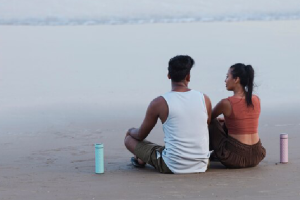

The Power of Vulnerability: How Opening Up Strengthens Your Relationships
In a world that often promotes emotional strength and self-reliance, vulnerability can be seen as a weakness. However, being vulnerable is one of the most powerful ways to deepen your connections with others. When you allow yourself to be truly seen—flaws, fears, and all—you create space for genuine trust and intimacy. Vulnerability is not only the key to building stronger relationships, but it also fosters emotional resilience and personal growth. In this article, we’ll explore how embracing vulnerability can transform your relationships and offer practical steps to help you open up.
What Is Vulnerability?
Vulnerability is the willingness to expose your true self to others, including your emotions, thoughts, fears, and insecurities. It involves taking the risk of being open, even when there’s the possibility of rejection or judgment. In relationships, vulnerability means allowing others to see you without the protective layers of pretense or emotional armor. It’s about being honest about your needs, fears, and desires, and trusting that the other person will accept you as you are.
Why Vulnerability Strengthens Relationships
- It Builds Trust and Emotional Intimacy
At the heart of any strong relationship is trust. Vulnerability fosters trust by showing others that you are willing to be open and honest. When you share your true thoughts and emotions, it signals that you trust the other person enough to let them in. In return, they’re more likely to trust you and feel comfortable sharing their own vulnerabilities, creating a deeper emotional bond.
- Example: Telling a friend or partner about a past experience that hurt you, or a current fear you’re struggling with, invites them to understand you on a deeper level. This exchange of vulnerability builds a stronger, more trusting connection.
- It Encourages Authenticity
When you allow yourself to be vulnerable, you are showing up as your authentic self. This creates an environment where both you and the other person can be real with each other, free from the pressure of perfection or pretending to have it all together. Authenticity in relationships fosters acceptance, understanding, and connection, allowing for more meaningful interactions.
- Example: Instead of pretending everything is fine when you’re feeling stressed, expressing how you truly feel gives your partner or friend the chance to support you. It also lets them see the real you, which deepens your relationship.
- It Reduces Feelings of Loneliness
Many people feel isolated or alone in their struggles because they believe they must keep their vulnerabilities hidden. Opening up about your fears, insecurities, and emotions allows others to relate to you, often revealing that they share similar feelings or experiences. Vulnerability helps to break down emotional barriers and reminds us that we are not alone in our challenges.
- Example: Sharing your feelings of anxiety or self-doubt with a friend may reveal that they’ve experienced the same struggles. This shared vulnerability creates a bond that helps both of you feel understood and less alone.
- It Strengthens Conflict Resolution
Vulnerability plays a crucial role in resolving conflicts. When disagreements arise, it’s easy to become defensive or shut down emotionally. However, by expressing your true feelings—rather than hiding behind anger or defensiveness—you open the door to a more constructive, compassionate conversation. Vulnerability allows both parties to understand each other’s perspectives and work toward a solution based on mutual respect.
- Example: Instead of reacting with anger during an argument, you might say, “I felt hurt when you did that, and it made me feel unimportant.” This vulnerable statement invites the other person to empathize with your feelings and helps resolve the conflict more effectively.
- It Promotes Emotional Resilience
While vulnerability can feel uncomfortable, it builds emotional resilience over time. By allowing yourself to be open, even when it feels risky, you develop the courage to face difficult emotions head-on. Each time you practice vulnerability, you strengthen your ability to navigate emotional challenges and grow as an individual. This emotional strength enhances your relationships, as you become more capable of handling the ups and downs with grace and understanding.
- Example: Opening up to a partner about a deep-seated fear, even if it feels scary, strengthens your ability to confront tough emotions. Over time, you become more comfortable sharing your feelings, which enhances the emotional depth of your relationship.
How to Embrace Vulnerability in Your Relationships
While vulnerability can feel daunting, it’s an essential skill for building deeper, more meaningful relationships. Here are some steps to help you embrace vulnerability and strengthen your connections with others:
- Start Small
You don’t have to share your deepest fears or most personal stories right away. Start by being more open in everyday conversations. Share a recent challenge you’ve faced, express a personal thought or feeling, or ask for advice on something you’re struggling with. Gradually, you can build up to deeper conversations as your comfort with vulnerability grows. - Be Honest About Your Emotions
Practice acknowledging your emotions instead of suppressing or hiding them. If you’re feeling sad, frustrated, or anxious, share that with the people close to you. Let them know how you’re really feeling, rather than pretending everything is okay. Emotional honesty paves the way for deeper emotional connections. - Accept That Vulnerability Is a Risk
Being vulnerable comes with the risk of rejection or judgment, and that’s okay. Not everyone will respond to your vulnerability the way you hope, but that doesn’t mean it wasn’t worth it. The people who truly care about you will appreciate your openness and reciprocate. Accept that vulnerability is a necessary risk for building strong, authentic relationships. - Listen and Respond with Empathy
Vulnerability isn’t just about sharing your own feelings; it’s also about creating a safe space for others to be vulnerable with you. When someone opens up to you, respond with empathy and understanding. Avoid judging or offering unsolicited advice—sometimes, just being there to listen is enough. By showing empathy, you encourage more open and vulnerable communication. - Let Go of Perfection
Many people resist vulnerability because they feel the need to be perfect or to maintain a certain image. Let go of the idea that you need to have it all together to be loved or accepted. Embracing vulnerability means accepting that you’re imperfect—and that’s perfectly okay. The more authentic and real you are, the stronger your relationships will be.
The Benefits of Vulnerability
By allowing yourself to be vulnerable, you’ll experience numerous benefits in your relationships, including:
- Stronger Emotional Bonds: Vulnerability fosters emotional intimacy, helping you build deeper, more meaningful connections.
- Increased Trust: Opening up to others builds trust, making your relationships more resilient and secure.
- Greater Empathy: When you’re vulnerable, you become more attuned to the emotions of others, enhancing your ability to empathize and support them.
- Personal Growth: Vulnerability pushes you outside of your comfort zone, allowing for emotional growth and increased self-awareness.
The power of vulnerability lies in its ability to deepen your relationships, foster trust, and create emotional intimacy. While it can feel uncomfortable or risky, being vulnerable allows you to connect with others on a more meaningful level. By embracing your true self—flaws, fears, and all—you invite others to do the same, creating relationships built on authenticity, empathy, and mutual support. Start small, practice emotional honesty, and allow yourself to be seen—your relationships will grow stronger as a result.

You may also like
Uganda